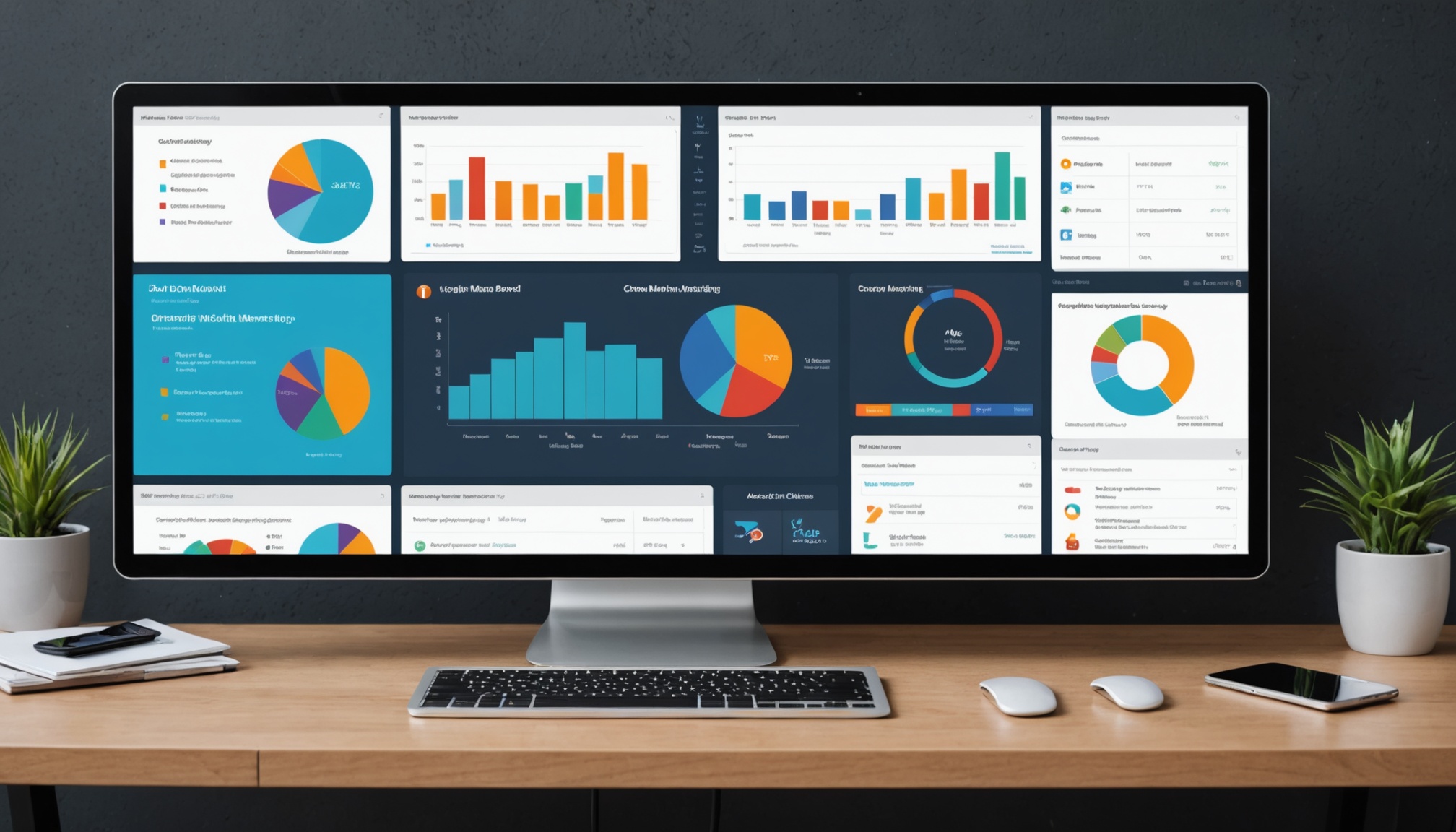
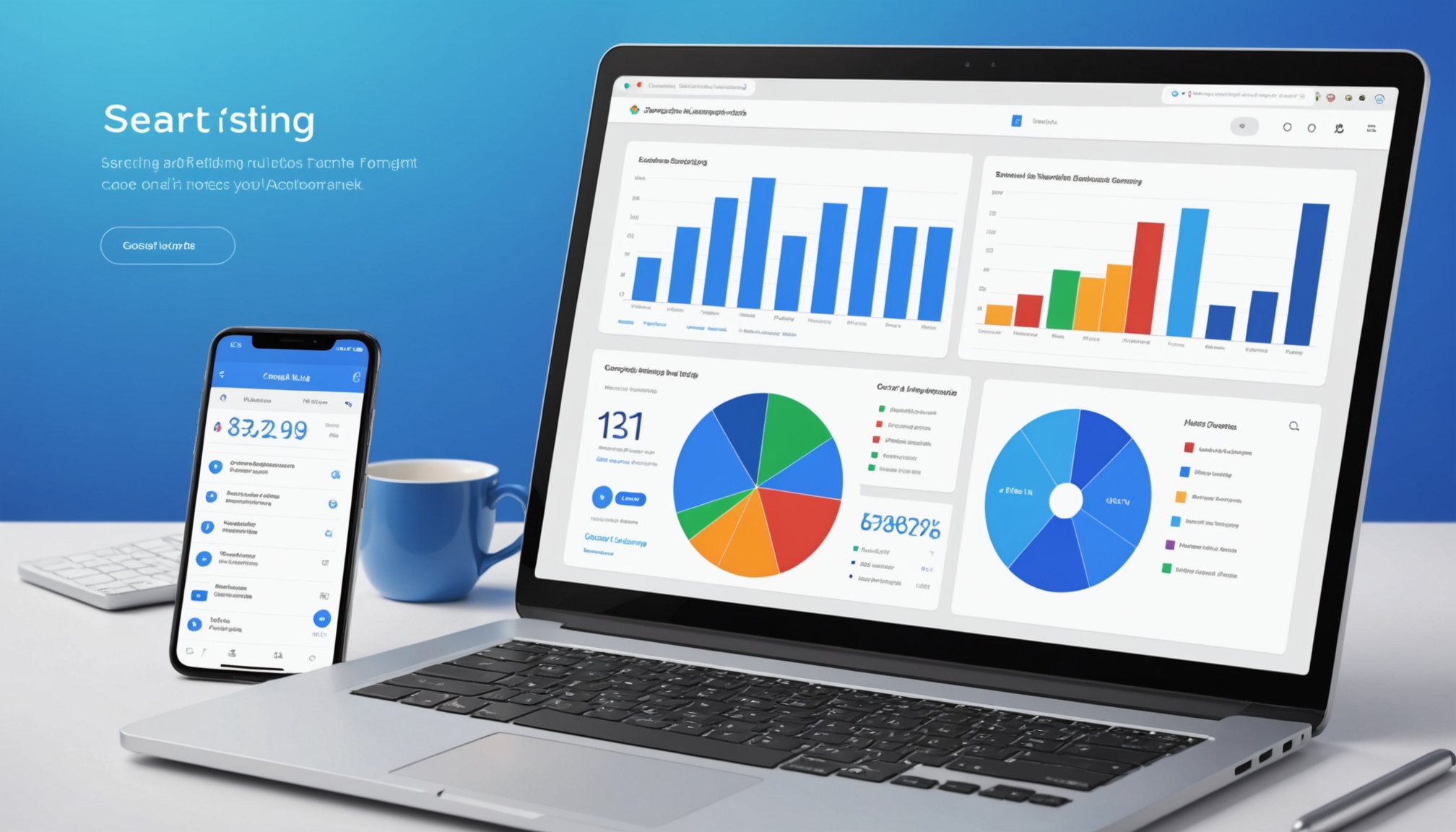
Google Performance Max represents the most significant evolution in Google advertising since the introduction of Smart Bidding. These AI-powered campaigns automatically optimize across all Google advertising channels including Search, Shopping, YouTube, Display, Gmail, Maps, and Discover, using machine learning to find converting customers wherever they engage with Google properties.
Performance Max fundamentally changes how advertisers interact with Google. Rather than managing separate campaigns for each channel, advertisers provide conversion goals, creative assets, and audience signals while Google automation handles channel selection, bidding, targeting, and creative optimization. This approach promises better results with less manual management, though it requires new strategies and skills to maximize effectiveness.
This guide provides a comprehensive framework for Performance Max success. We will examine how Performance Max works, explore best practices for campaign setup and asset creation, address optimization strategies, and provide practical guidance for integrating Performance Max into your advertising strategy. Whether you are new to Performance Max or looking to improve existing campaigns, this guide will help you leverage Google most advanced advertising technology.
The stakes are significant. Google is clearly investing heavily in Performance Max as the future of Google advertising, with increasing channel coverage and capability expansion. Advertisers who master Performance Max gain access to AI-powered optimization across the full Google ecosystem, while those who resist face potential competitive disadvantage as Google continues shifting toward automated campaign types.
What You Will Learn In This Guide
Reading Time: 24 minutes | Difficulty: Intermediate to Advanced
- Understanding how Performance Max works
- Campaign setup and configuration best practices
- Asset creation strategies for all formats
- Audience signals and targeting approaches
- Optimization and reporting techniques
- Integration with existing campaign structure
- Common mistakes and how to avoid them
Complement Performance Max with Premium Content
While Performance Max drives conversion-focused advertising, premium content placements build brand authority and organic visibility. Outreachist connects you with quality publishers for sponsored content that supports your advertising investment.
Explore Publisher NetworkPerformance Max Statistics
Average conversion lift reported
Google channels covered
Of advertisers now using PMax
Reduction in management time
Sources: Google Ads Performance Data, Search Engine Land Survey 2024
Section 1: Understanding Performance Max
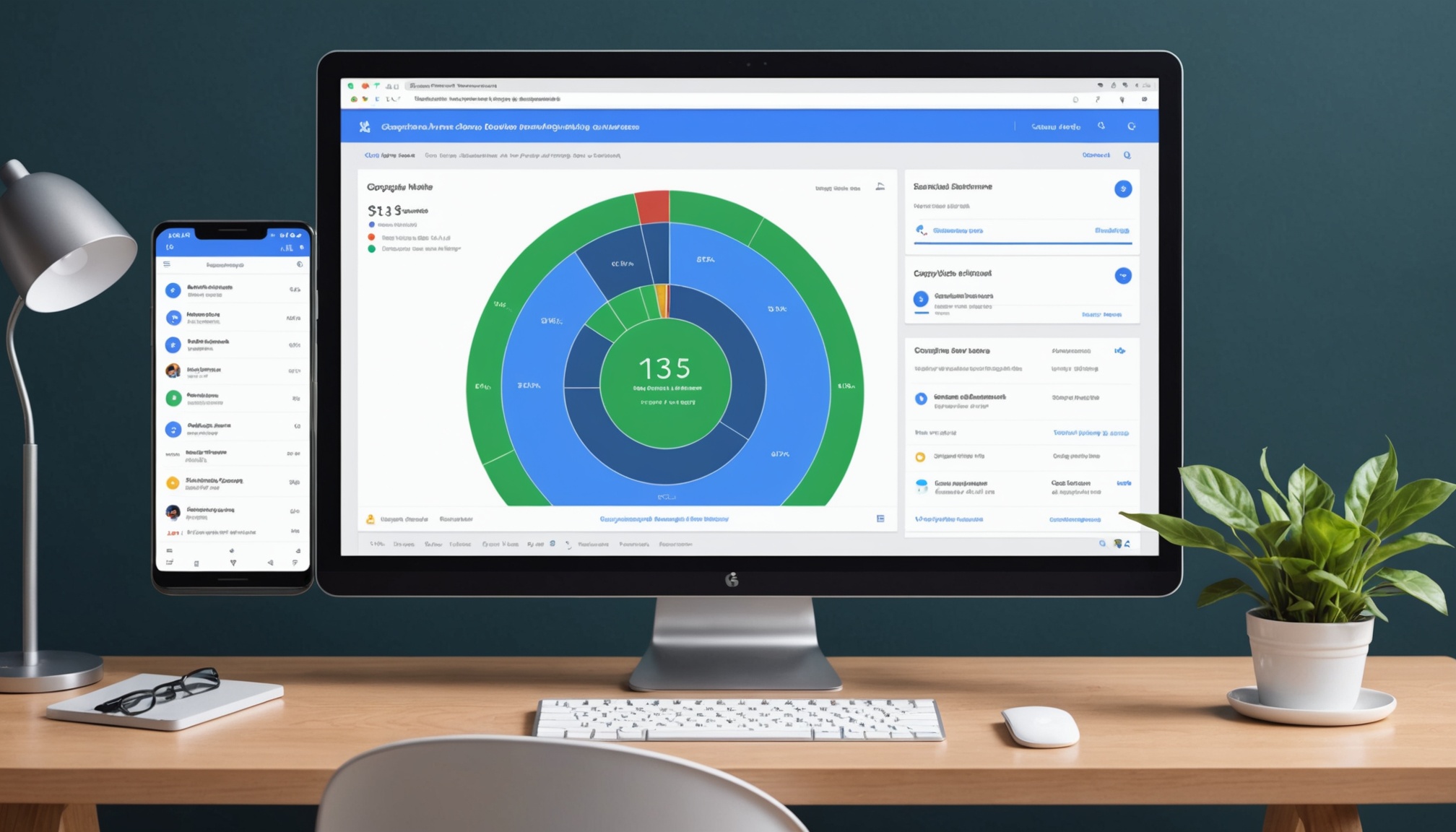
Performance Max is a goal-based campaign type that uses Google AI to optimize advertising across all Google channels from a single campaign. Advertisers set conversion goals and provide creative assets and audience signals, while Google machine learning handles the tactical decisions about where, when, and how to show ads.
This represents a fundamental shift from traditional campaign management where advertisers made granular decisions about keywords, placements, bids, and targeting. Performance Max abstracts these decisions behind machine learning, promising better results through AI optimization that humans cannot replicate at scale.
How Performance Max Works
Performance Max campaigns operate through a combination of automation technologies that Google has developed over years of machine learning advancement.
Goal optimization focuses the campaign on specified conversion actions. Whether optimizing for purchases, leads, or other valuable actions, Performance Max concentrates delivery on users and placements most likely to drive those conversions. The clearer and more valuable your conversion goals, the better Performance Max can optimize.
Cross-channel delivery automatically places ads across Search, Shopping, YouTube, Display, Gmail, Maps, and Discover networks. Rather than managing separate campaigns for each channel, Performance Max determines optimal channel mix based on where your target customers engage and convert. This unified approach enables reach and frequency optimization impossible with siloed campaigns.
Automated bidding uses Smart Bidding to set bids for each auction based on conversion probability. The machine learning considers thousands of signals including user characteristics, context, device, time, and countless other factors to determine optimal bid amounts. This real-time optimization adjusts to changing conditions far faster than manual bidding could achieve.
Creative optimization tests and combines your provided assets to generate effective ads across formats. Headlines, descriptions, images, and videos are automatically assembled into ads optimized for each placement and user. This automation enables testing at scale that manual creative testing cannot match.
Campaign Components
Performance Max campaigns are organized around several key components that advertisers control while automation handles execution.
Asset groups contain the creative elements that Performance Max uses to build ads. Each asset group includes headlines, descriptions, images, videos, and other assets that can be combined for various ad formats. Asset groups also include landing pages and audience signals that help focus optimization.
Audience signals provide guidance to machine learning about who to target. While Performance Max ultimately targets based on conversion probability rather than specified audiences, signals help accelerate learning by indicating where valuable customers might be found. Signals can include first-party data, custom segments, and Google audiences.
Conversion goals specify what outcomes you want to optimize. Performance Max works best with clear, valuable conversion actions properly configured in Google Ads. The more conversion data available, the better optimization performs.
Section 2: Campaign Setup and Configuration

Proper campaign setup establishes the foundation for Performance Max success. Configuration decisions made during setup significantly impact campaign performance and optimization capability.
Conversion Configuration
Conversion setup is arguably the most important factor in Performance Max success. The algorithm optimizes toward your specified conversions, so conversion configuration directly determines campaign behavior.
Primary conversion actions should be your most valuable outcomes. If purchases drive business value, optimize toward purchases rather than add-to-carts or page views. Optimizing toward lower-value actions generates more of those actions but not necessarily more business value.
Conversion values help Performance Max prioritize between different conversion types. If some conversions are worth more than others, assign appropriate values so the algorithm can optimize for total value rather than just volume. Value-based bidding produces better ROI than volume-based approaches for many advertisers.
Conversion volume impacts learning capability. Performance Max requires sufficient conversion data to optimize effectively. Google recommends at least thirty conversions per month for acceptable learning, with fifty or more preferred for stronger optimization. Low-volume advertisers may need to expand conversion definitions or consider alternative campaign types.
Budget and Bidding
Budget and bidding configuration controls how aggressively Performance Max pursues conversions and how much you spend.
Budget levels should provide sufficient room for learning and optimization. Very limited budgets constrain the algorithm ability to test and learn. Google generally recommends budgets that can support meaningful daily impression volume, with larger budgets enabling faster learning.
Bidding strategy selection depends on your goals and conversion value understanding. Maximize Conversions pursues the most conversions possible within budget. Maximize Conversion Value optimizes for total value rather than count. Target CPA and target ROAS add efficiency constraints that balance volume against profitability.
Efficiency targets should be realistic based on historical performance. Overly aggressive targets restrict delivery and limit learning. Start with targets based on actual performance and adjust as the campaign learns.
Campaign Structure
How you structure Performance Max campaigns affects both optimization and management efficiency.
Single versus multiple campaigns depends on whether different products, services, or audiences require different strategies. A single campaign with multiple asset groups works well when conversion goals and strategies are consistent. Multiple campaigns provide more control when different segments need different budgets, targets, or approaches.
Asset group organization should align with your product or service structure. Each asset group should focus on a coherent theme with relevant assets and landing pages. Too few asset groups limits relevance, while too many fragments data and slows learning.
Account structure integration requires considering how Performance Max interacts with other campaign types. Performance Max can compete with Search and Shopping campaigns, potentially cannibalizing results or inflating costs. Thoughtful structure decisions help campaigns complement rather than compete.
Pro Tip: Start with Strong Foundation
Performance Max magnifies the quality of your setup. Strong conversion tracking, quality assets, and appropriate audience signals accelerate success. Weak foundations lead to poor performance that is difficult to diagnose and correct. Invest in setup quality before launching.
Section 3: Asset Creation Strategies

Assets are the creative building blocks that Performance Max combines into ads across formats and placements. Asset quality directly impacts campaign performance because even the best optimization cannot compensate for poor creative.
Text Assets
Text assets include headlines and descriptions that Performance Max uses across Search, Display, and other text-enabled formats.
Headlines should provide variety covering different messaging angles. Include benefit-focused headlines, feature-focused headlines, brand headlines, and call-to-action headlines. Performance Max tests combinations to find what resonates with different audiences and contexts. Provide the maximum number of headlines to enable thorough testing.
Long headlines enable more detailed messaging in formats that support extended text. These appear in responsive display ads and other placements where additional space is available. Use long headlines to expand on your value proposition.
Descriptions complement headlines with supporting information. Include benefit explanations, feature details, trust signals, and calls-to-action. Descriptions should work with various headlines since Performance Max combines them dynamically.
Asset quality ratings indicate how well your text assets perform. Review ratings regularly and refresh underperforming assets. Strong assets receive more delivery while weak assets limit campaign effectiveness.
Image Assets
Image assets appear in Display, Discovery, Gmail, and other visual placements. High-quality images significantly impact visual ad performance.
Image variety should include different aspect ratios, content types, and creative approaches. Provide square, landscape, and portrait images to enable optimal display across placements. Include product imagery, lifestyle shots, and branded graphics to test what resonates.
Image quality must meet platform standards and user expectations. Low-resolution, cluttered, or unappealing images hurt performance regardless of targeting precision. Invest in quality imagery that represents your brand well.
Logo assets appear in various formats and should be provided in multiple configurations. Provide both horizontal and square logo versions at high resolution to ensure proper display across placements.
Video Assets
Video assets enable YouTube and video placement delivery. While not strictly required, video significantly expands Performance Max reach and effectiveness.
Video variety should include different lengths and formats. Provide short six-second bumper videos, fifteen-second videos, and longer thirty-second or beyond for different placement requirements. Different lengths serve different purposes in the customer journey.
Video quality expectations on YouTube are high. Low-production videos can hurt brand perception even if they generate views. Ensure video assets reflect the quality expectations of your target audience.
Auto-generated videos from images and text may appear if you do not provide video assets. These automated videos are functional but rarely optimal. Providing actual video assets gives better control over video presentation.
Product Feed Integration
For ecommerce advertisers, product feed integration is essential for Shopping placement performance.
Feed quality directly impacts Shopping performance. Accurate titles, descriptions, images, and pricing enable relevant matching and effective presentation. Feed optimization remains important even within automated campaigns.
Product grouping within asset groups should align with your merchandising strategy. Group related products that share audiences, messaging, and landing pages. This enables relevant asset combinations and focused optimization.
Build Brand Foundation for Advertising
Performance Max drives conversions, but brand awareness and authority help those ads perform. Premium content placements build the brand recognition that improves advertising effectiveness. Outreachist connects you with quality publishers.
Browse PublishersSection 4: Audience Signals and Targeting

Audience signals guide Performance Max toward valuable customers without restricting targeting to only those audiences. Understanding how signals work helps advertisers provide useful guidance without limiting campaign reach.
How Audience Signals Work
Audience signals are suggestions rather than requirements. Unlike traditional audience targeting that restricts delivery to specified segments, signals indicate where valuable customers might be found while allowing the algorithm to expand beyond those segments when it identifies conversion opportunities.
Signal priority varies based on signal quality and campaign learning stage. Strong signals based on first-party data typically receive more weight than broader interest segments. Early in campaign learning, signals heavily influence delivery. As the campaign gathers conversion data, learned patterns may override initial signals.
Signal effectiveness depends on accuracy. Signals pointing toward actual high-value customers accelerate learning and improve performance. Inaccurate signals can misdirect early learning, requiring more time and spend to course-correct.
First-Party Data Signals
First-party data signals based on your customer data typically provide the strongest guidance.
Customer lists enable targeting lookalikes of your existing customers. Upload customer email lists for Google to match and use as basis for finding similar users. High-value customer segments often produce better signals than full customer lists.
Website visitor audiences signal interest based on site engagement. Past visitors, product viewers, and cart abandoners all represent warm audiences that can guide Performance Max toward similar users.
Converter audiences based on past purchasers or leads provide the clearest signal of value. These users have already demonstrated the behavior you want, making them ideal templates for finding more customers.
Google Audience Signals
Google provides various audience segments that can serve as signals when first-party data is limited.
In-market audiences include users actively researching products or services in your category. These high-intent segments often perform well as signals because they indicate current purchase consideration.
Affinity audiences represent long-term interests and lifestyles. While broader than in-market segments, affinity audiences can help direct campaigns toward users with relevant interests.
Custom segments enable creating audiences based on search behavior, app usage, or URLs visited. These flexible segments allow expressing audience hypotheses that might not fit standard segment definitions.
Signal Strategy
Effective signal strategy balances guidance with learning flexibility.
Signal quality over quantity typically produces better results. A few strong signals based on known high-value audiences outperform many weak signals that dilute focus. Prioritize signals based on confidence in their accuracy.
Testing different signals can reveal unexpected audience opportunities. Try various signal combinations and compare performance. The algorithm may find value in audiences you would not have considered.
Signal evolution should match campaign learning. Strong signals help early learning. As the campaign builds its own conversion model, signals may become less necessary. Monitor whether signals continue adding value or merely restrict optimization.
Section 5: Optimization and Reporting
Performance Max optimization operates differently than traditional campaigns because much of the optimization happens automatically. Advertiser optimization focuses on inputs and strategy rather than tactical execution.
What Advertisers Can Optimize
Asset performance monitoring identifies which creative elements contribute to results. Review asset performance ratings and combination reports to understand what works. Refresh underperforming assets while providing more variations of strong performers.
Audience signal refinement adjusts guidance based on learning. If certain signals drive strong results, provide more similar signals. If signals seem to misdirect optimization, remove or replace them.
Conversion action updates may be needed as you learn what outcomes truly matter. If Performance Max drives conversions that do not translate to business value, refine conversion definitions. Ensure optimization targets align with actual business objectives.
Budget and bidding adjustments respond to performance. Increase budgets on campaigns performing well. Adjust efficiency targets based on actual results. These levers control campaign scale and profitability.
Reporting and Insights
Performance Max reporting provides less granular visibility than traditional campaigns, requiring different analysis approaches.
Placement reporting shows where ads appeared across Google networks. This helps understand channel mix and identify any concerning placements. While you cannot control placement selection directly, extreme concentrations or problematic placements may indicate issues.
Asset combination reports reveal which creative combinations perform best. Understanding successful combinations informs future asset creation and creative strategy.
Insights tab provides algorithmic observations about campaign performance drivers. Review insights for optimization opportunities you might not have identified from standard metrics.
Search terms reports, now available, show which queries triggered Search ads. This visibility helps understand Search coverage and identify potential issues.
Common Optimization Issues
Several common issues affect Performance Max performance and require specific responses.
Learning period constraints limit optimization during initial campaign learning. Avoid major changes during learning periods that restart the process. Allow sufficient time for initial learning before evaluating and adjusting.
Cannibalization from other campaigns can inflate costs or distort attribution. Monitor whether Performance Max competes with Search or Shopping campaigns for the same queries. Structural changes may be needed to prevent campaign conflict.
Brand traffic domination can make Performance Max appear effective while primarily capturing brand searches. Analyze whether results come from brand or generic queries to understand true campaign value.
Section 6: Common Mistakes and Best Practices
Performance Max campaigns fail more often from poor setup and strategy than from algorithm limitations. Understanding common mistakes helps advertisers avoid pitfalls that waste budget and limit results.
Common Mistakes to Avoid
Insufficient conversion data is perhaps the most common Performance Max failure mode. Launching campaigns without enough conversion volume prevents the algorithm from learning effectively. Ensure you have at least thirty conversions monthly before relying heavily on Performance Max, or consider using broader conversion definitions during the learning period.
Poor asset quality limits performance regardless of how well other elements are configured. Low-resolution images, generic headlines, and missing video assets all constrain what Performance Max can achieve. Invest in quality creative before launching, and continue refreshing assets based on performance data.
Misaligned conversion goals lead to campaigns optimizing for the wrong outcomes. If you optimize for form submissions but truly care about qualified leads or sales, Performance Max will dutifully generate form submissions that may not translate to business value. Ensure conversion goals accurately reflect desired outcomes.
Excessive complexity in campaign structure fragments data and slows learning. Creating too many campaigns or asset groups divides conversion data, preventing any single campaign from learning effectively. Start with simpler structures and add complexity only when data supports it.
Unrealistic efficiency targets restrict delivery and prevent learning. Setting aggressive CPA or ROAS targets before the campaign has learned leads to limited delivery and poor optimization. Start with achievable targets and tighten as performance improves.
Ignoring existing campaign interaction leads to internal competition. Performance Max can cannibalize Search and Shopping campaigns, inflating costs while appearing to perform well. Monitor for overlap and adjust structure to prevent campaigns from competing against each other.
Best Practices for Success
Prioritize conversion quality by ensuring your conversion tracking captures genuinely valuable outcomes. Enhanced conversions, offline conversion imports, and value optimization all help Performance Max understand true business impact.
Provide comprehensive assets across all formats to maximize reach and optimization opportunity. Include the full complement of headlines, descriptions, images, and videos that Performance Max can use across channels.
Use strong first-party data signals when available. Customer lists and website audiences provide better guidance than third-party segments. The closer your signals match actual high-value customers, the faster campaigns learn.
Allow sufficient learning time before evaluating and adjusting. Performance Max typically needs two to four weeks to establish baseline performance. Major changes restart learning, so avoid frequent adjustments during initial periods.
Monitor incrementality to ensure Performance Max drives truly new results rather than capturing conversions that would have happened anyway. Brand query analysis, incrementality testing, and careful attribution review help understand true campaign value.
Integrate thoughtfully with other campaigns to maximize combined performance. Exclude brand terms from Performance Max when running dedicated brand campaigns. Coordinate with Search and Shopping to prevent unnecessary overlap.
Key Takeaways
- Performance Max automates cross-channel: AI optimizes across all Google channels from a single campaign, handling bidding, targeting, and creative decisions.
- Setup quality determines success: Conversion configuration, asset quality, and audience signals establish the foundation for effective optimization.
- Assets require variety and quality: Provide diverse, high-quality text, image, and video assets to enable effective creative optimization.
- Signals guide but do not restrict: Audience signals suggest where to find customers while allowing expansion to conversion opportunities beyond signals.
- Optimization focuses on inputs: Advertisers optimize assets, signals, and goals while automation handles tactical execution.
- Integration requires careful structure: Consider how Performance Max interacts with other campaign types to prevent conflict and maximize combined performance.
Complement Paid with Earned Media
Performance Max drives conversion-focused advertising, but sustainable growth requires organic visibility and brand authority. Premium content placements build the foundation that makes advertising more effective. Outreachist connects you with quality publishers.
- 5,000+ verified publishers across every industry
- Build authority alongside advertising investment
- Transparent pricing and quality metrics
- Full campaign tracking and reporting
Conclusion
Google Performance Max represents a significant evolution in digital advertising, bringing AI-powered optimization to cross-channel campaigns. The combination of automated bidding, dynamic creative, and cross-channel delivery promises better results with reduced management overhead, though success requires understanding how to work with rather than against the automation.
The key to Performance Max success lies in providing high-quality inputs. Strong conversion tracking tells the algorithm what to optimize. Quality assets enable effective creative testing. Relevant audience signals guide initial learning. These inputs create the foundation that automation builds upon.
Performance Max is not set-and-forget despite the automation. Ongoing monitoring, asset refreshes, and strategic adjustments remain important. The nature of optimization changes from tactical bid and keyword management to strategic input optimization, but active management still improves results.
As Google continues investing in AI-powered advertising, Performance Max capabilities will expand while traditional campaign types may become less central. Building Performance Max expertise now positions advertisers to leverage current capabilities while preparing for a future where automation handles increasingly more of advertising optimization.
About Outreachist
Outreachist is the premier marketplace connecting advertisers with high-quality publishers for guest posts, sponsored content, and link building opportunities. Our platform features 5,000+ verified publishers across every industry, with transparent metrics and secure transactions.
Browse our marketplace | Create a free account | Learn how it works